







Jaisi pic p thi wesahi aai quality achi hy thank u


Pay in 3 Installments of
Rs.
433
Size: 4in. pot
One of the keys to success with houseplants is having your them in the proper light. Too much light and your plant leaves may sunburn while too little light and your houseplants may not bloom or grow. Finding the perfect light level for each plant will help your houseplant collection thrive.
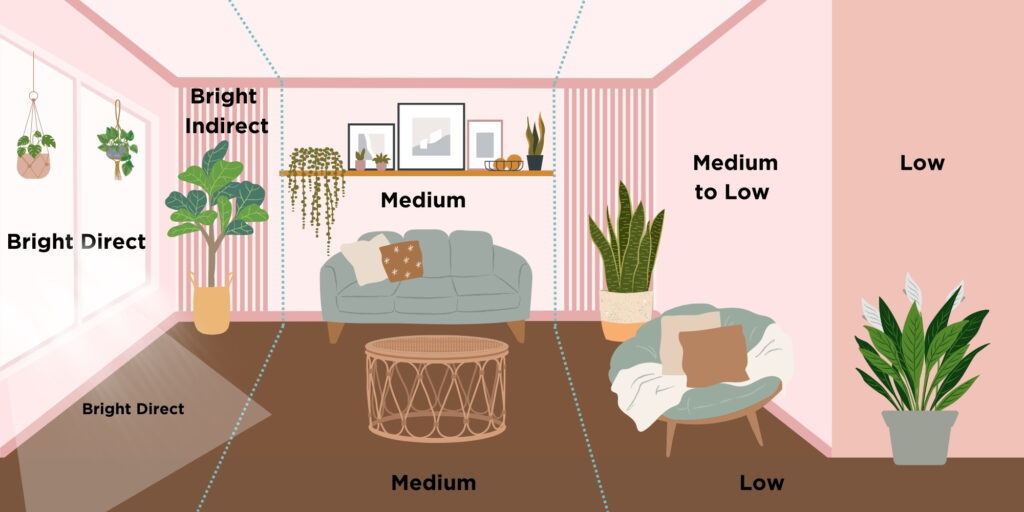
Direct vs. Indirect Sunlight
Direct sunlight is when sunlight directly shines on the plant with nothing to block or filter the light. Grow lights can be used to create direct light if your home doesn’t have enough direct light to support your houseplant collection.
Indirect sunlight is when something in the path of the sunlight filters or diffuses the light before it reaches the houseplant. Curtains, furniture, or even a tree outside your window can create indirect lighting.
Being next to a window but not in the direct line of sunlight would also be considered bright indirect lighting. There are three types of indirect sunlight that you may come across in your home.
Lighting Levels
Every houseplant requires a different amount of light to grow and thrive. Some houseplants, like ZZ plants and Snake plants, can tolerate multiple levels of light while other plants are very particular about their light levels. Becoming familiar with your houseplants and the proper level of lighting needed will help you succeed as a plant parent.
Where to Place Your Plants
The best way to determine light levels is to walk through your house at various times throughout the day and note where the light is falling.
This will help you to determine where the direct sunlight is and how many hours of direct light is available.
You can also broadly determine the light levels of your house based on the direction that the window faces. South and West-facing windows provide lots of bright direct light for high-light plants while east and north-facing windows provide indirect light that is great for medium and low-light plants.
If you are determining your light levels based on window direction make sure to take into account other factors such as furniture, curtains, and outside trees to make a better determination of the light levels.
Selling Fast, Only 4 items left in stock.

Advanced Payment Price
Copy Discount code below and choose pay via bank transfer or cards at checkout


Plant Name: Philodendron Green
Botanical Name: Philodendron hederaceum
Common Names: Heartleaf Philodendron, Green Philodendron
Origin: Central America and Caribbean
Thrives in bright to medium indirect light. Tolerates lower light well. Avoid direct sunlight which scorches the leaves.
Water when the top inch of soil feels dry. Keep moderately moist but never waterlogged. Reduce watering in cooler months.
Ideal range: 65–85°F (18–29°C). Sensitive to cold — keep away from drafts and temperatures below 55°F (13°C).
Use a well-draining, peat-based potting mix with perlite for healthy drainage.
Wipe leaves to keep them glossy. Train up a moss pole for larger leaf production, or let trail from a shelf or hanging basket. Fertilize monthly during the growing season.
🟡 Yellow leaves – Overwatering or too much direct sun.
🍂 Brown tips – Low humidity or underwatering.
📉 Leggy, small leaves – Insufficient light. Move to a brighter spot.
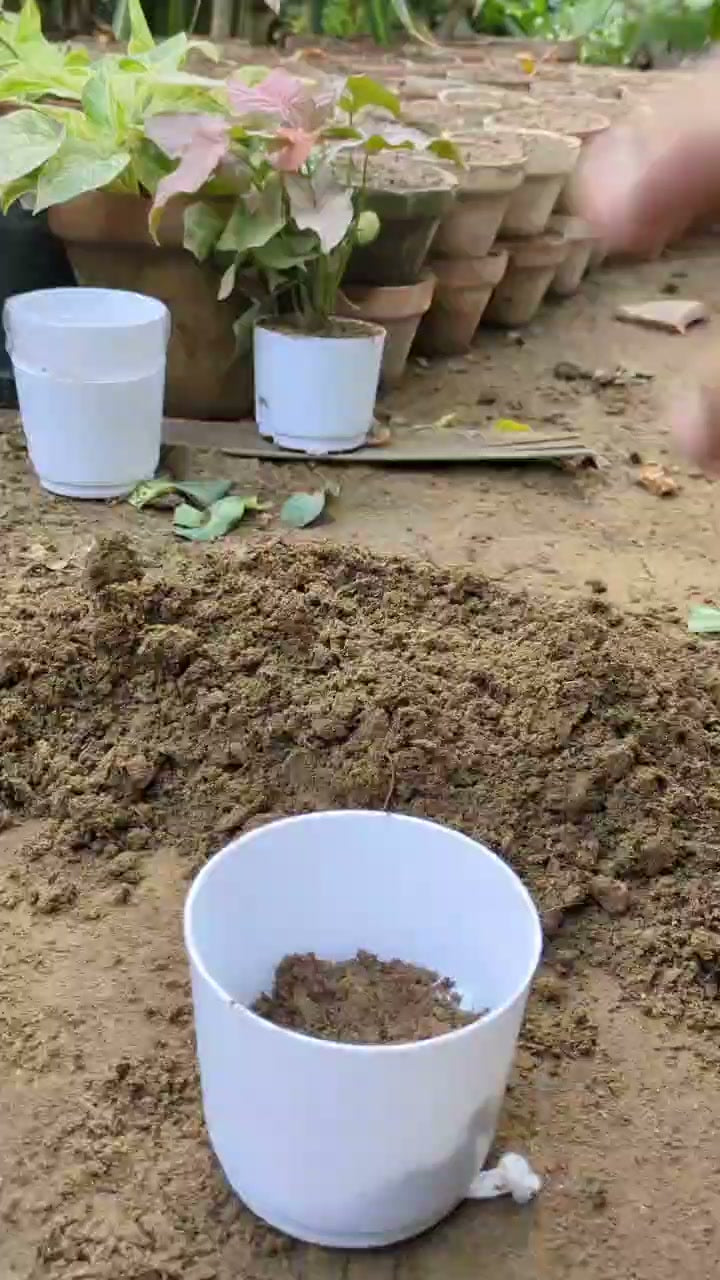

From one of Pakistan’s oldest nurseries, our plants are raised with decades of hands-on experience. Every plant reflects generations of horticultural knowledge.

Our plants are grown locally, acclimatized to Pakistan’s climate, and shipped only when they’re strong enough to thrive in your space.

Secure packaging, clear care guidance, and real after-sales support—so your plant journey doesn’t end at delivery.
Overall rating: 4.9 / 5 from 36 reviews.
Jaisi pic p thi wesahi aai quality achi hy thank u

Bahut acha plant hy pot bahut acha hy hily recommend

Good product

From Karachi to be delivered here in Peshawar, and I honestly love them. The packaging was great, and the plants are even better than I expected. I'll definitely be ordering more soon

Good quality. Will purchase again. In Sha Allah

Healthy plant. Well Packed. But Rates are too much High from Market.

Hily recommend

Such a wonderful service Very cute plants

Outstanding

Alhamdolilah very good experience with shalimar nursary. This was my third time and Alhamdolilah i m very happy with my purchase. 👍

Beautiful and healthy plant 🌿🪴. The planter is simple, elegant, and looks great. Very happy with the quality! 👍✨

Beautiful and healthy plant 🌿🪴. The planter is simple, elegant, and looks great. Very happy with the quality! 👍✨

Beautiful and healthy plant 🌿🪴. The planter is simple, elegant, and looks great. Very happy with the quality! 👍✨

Awesome 👍

Amazing as always. This was my tenth purchase in a row from Shalamar Nursery ! They never disappoint me.

Amazing as always. This was my tenth purchase in a row from Shalamar Nursery ! They never disappoint me.

I have brought from #Shalamarnursery around 3 or 4 times. I have to say their service is amazing . The staff is very co operative and responsive. The deliver is on time and all items are delivered with care . The plants are in good condition and look healthy and good . I have gifted many plants bought from them and I have been very satisfied . Highly recommended

cannot believe I received a green zz plant in the best condition and the best packing , that too online . Highly recommended !

Everything was as shown I was skeptical after seeing the reference pictures on the website so I asked for real pictures on WhatsApp. They complied and sent me the pictures of the plants that I liked. Long story short, I received the plants exactly as I was shown.
its looks best, and i saw tiny leaves and branches coming out, love it :)
I like the packaging and the care behind it
Great
I didn't expect it to be that grown. But it was in a very good health...totally satisfied and will order again from this store. 5 star rating...
Great packaging and great condition of plants
Assume
Beautiful plants , carefully wrapped, will order again in future. Thanks
Packing was good, satisfied with the product
It was really good 👍
It was really good 👍
Love the product
Love the product

I have brought from #Shalamarnursery around 3 or 4 times. I have to say their service is amazing . The staff is very co operative and responsive. The deliver is on time and all items are delivered with care . The plants are in good condition and look healthy and good . I have gifted many plants bought from them and I have been very satisfied . Highly recommended

Great product
I really satisfied with my purchase Thanx
I really satisfied with my purchase Thanx

Everything was as shown I was skeptical after seeing the reference pictures on the website so I asked for real pictures on WhatsApp. They complied and sent me the pictures of the plants that I liked. Long story short, I received the plants exactly as I was shown.
Poor health
Green, healthy & bushy
Inconsistent
Common Issue
Pest-controlled
Possible risk
Standard soil
Pre-mixed
Standard soil
None
Expert support
None
No Guarantee
Assured quality,14 days replacement
Conditional
Pay in 3 Installments of
Rs.
433
Selling Fast, Only 4 items left in stock.


